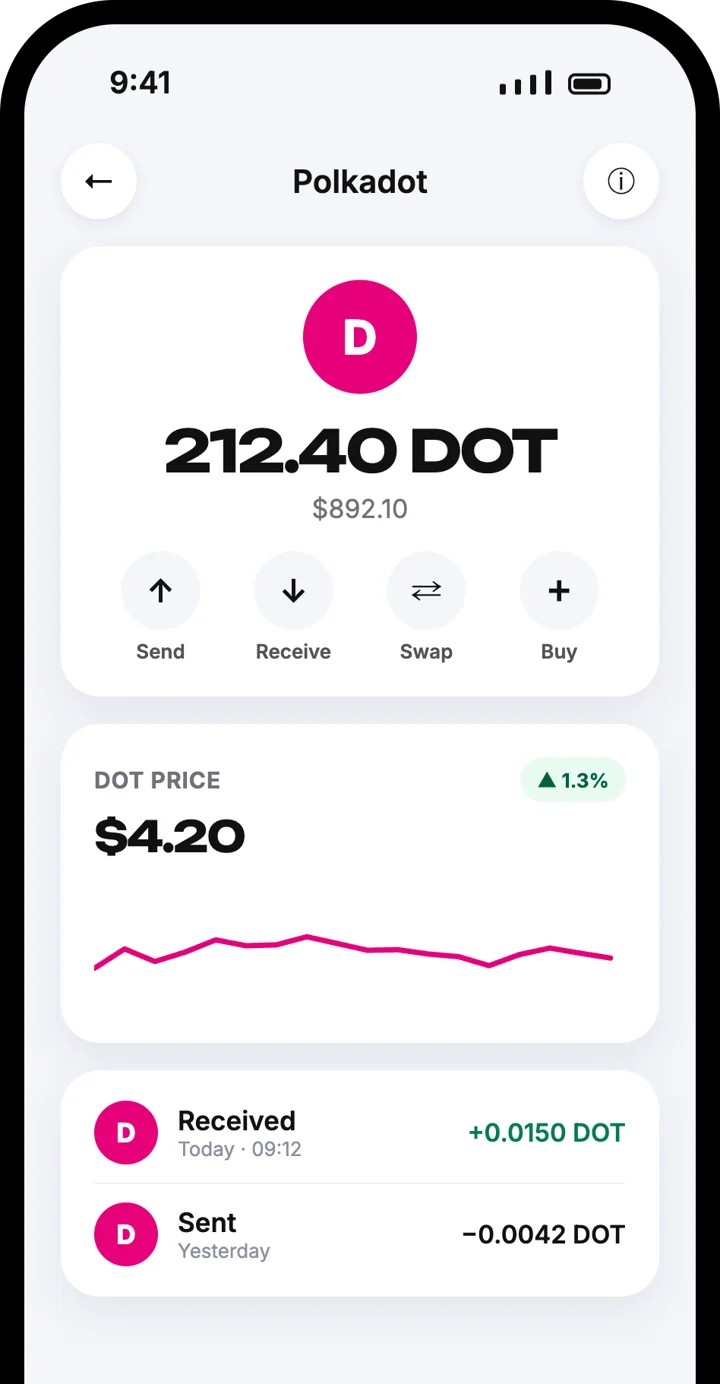



Polkadot’s design separates the network into a relay chain, which provides shared security and consensus, and parachains, which are individual blockchains that plug into that relay chain to handle specific workloads. DOT is the native asset of the relay chain itself, and it is what you are holding when you see a DOT balance in a wallet.
For most everyday users, this architecture is invisible. You send and receive DOT the same way you would any other asset, and the underlying coordination between relay chain and parachains happens without any extra steps on your end. The distinction matters mainly if you start interacting with specific parachain projects, where balances and formats can differ from the relay chain itself.

Polkadot uses an address encoding scheme called SS58, which can represent the same underlying public key with different address prefixes depending on the network. This means a single key pair can produce a Polkadot mainnet address, a Kusama address, or a generic substrate address that all look different but trace back to the same cryptographic key.
This is a common source of confusion for newcomers who assume a changed address means a changed wallet or lost funds. In practice, it simply reflects which network format is being displayed. When sending DOT, always confirm you are using a Polkadot mainnet address rather than a format meant for a different substrate based chain, since sending to the wrong network format can result in funds that are difficult or impossible to recover.

Polkadot enforces a minimum balance rule known as existential deposit. If an account’s balance falls below this threshold, the account is considered reaped and can be removed from the active state, effectively losing any remaining dust amount. This is a network level mechanism designed to prevent the chain state from filling up with countless empty or near empty accounts.
Practically, this means you should avoid draining a DOT account down to a tiny leftover balance, and should be aware of this threshold when planning transfers that would leave very little behind. It is not a fee in the traditional sense, but it does affect how you should think about splitting or withdrawing DOT balances.
Polkadot’s network relies on nominators and validators to secure the relay chain, a process often described loosely elsewhere as staking. We prefer to describe this plainly as Blockchain Network Participation: locking DOT to back validators who help secure the network, in exchange for a share of network issuance based on estimated network rates that vary over time and are never guaranteed.
Anyone considering this should understand that participation typically involves a bonding period, meaning funds are not instantly liquid once committed, and unbonding can take time to complete. There is no fixed return, and rates fluctuate with total network participation and protocol parameters, so treat any figure you see as an estimate rather than a promise.
Transfers on Polkadot involve a small network fee paid in DOT, calculated based on transaction weight and current network conditions. Fees are generally modest compared to some older blockchain networks, and transactions typically confirm within a matter of seconds once included in a block, though finality mechanics can add a short additional delay before a transfer is considered fully settled.
As with any blockchain transfer, double check the recipient address before confirming, since transactions cannot be reversed once broadcast and confirmed. Pasting addresses directly rather than retyping them, and verifying the first and last several characters, reduces the risk of sending to a mistyped or malicious address.
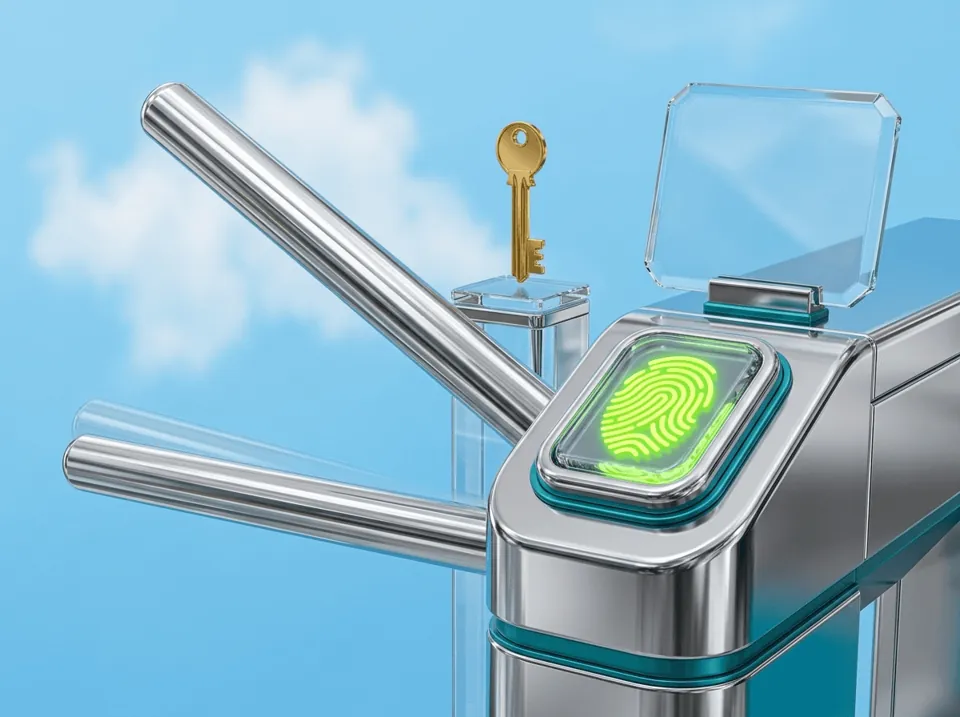
Self custody means you, not an exchange or third party, are responsible for your private keys and recovery phrase. For DOT specifically, this means safeguarding your seed phrase offline, never entering it into a website or sharing it with anyone claiming to offer support, and being cautious of phishing attempts that impersonate wallet interfaces.
A wallet with biometric lock adds a practical layer of day to day protection against casual unauthorized access on your device, while hardware wallet support gives you the option to keep signing keys on a separate physical device for larger holdings. Neither replaces the fundamental responsibility of protecting your recovery phrase, which remains the single point of failure in any self custody setup.

Most people holding DOT are not holding DOT alone. They are also managing Bitcoin, USDT, and assets on chains like Ethereum, BNB Chain, TRON, Solana, Polygon, Avalanche, and XRP. Juggling a separate app for each network adds friction and increases the chance of a security lapse somewhere along the way.
Atom Wallets is a non-custodial wallet supporting 9+ chains from a single app, with your keys stored locally on your device and no KYC required to get started. It includes in-app swaps, scan and pay for quick transactions, live rates, and support for receiving USDT on TRON (TRC-20) with the ability to pay network fees directly in USDT rather than needing to hold a separate gas token, plus a flat $2 fee on USDT transfers and INR payouts for users who need to convert.